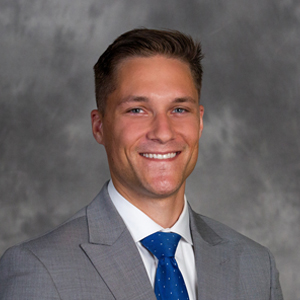
David Macari, MD
This article was reviewed for accuracy by David Macari, MD. Dr. Macari is a medical oncologist with ProMedica Physicians and ProMedica Cancer Institute. View his profile.
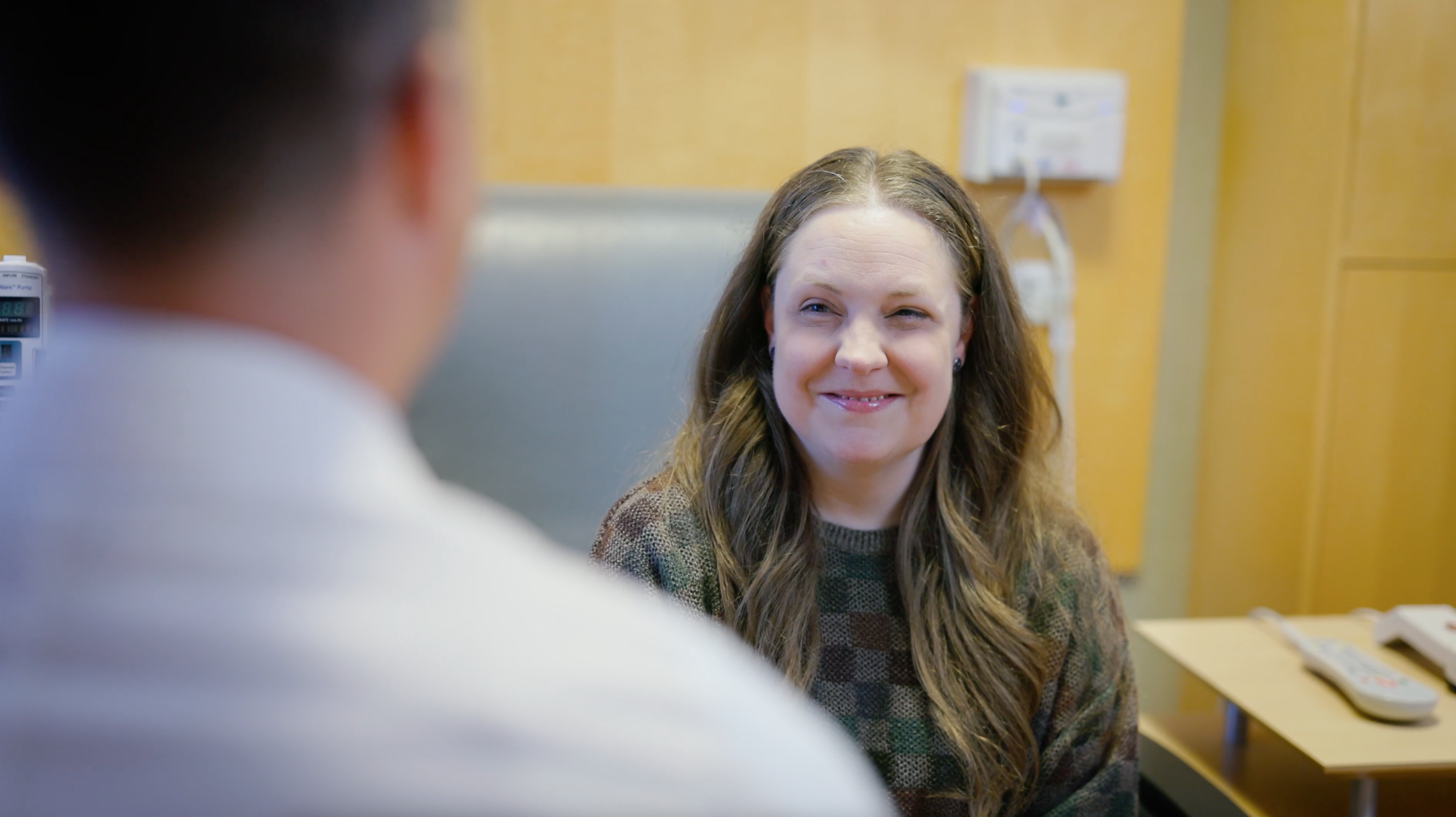
If you’re diagnosed with cancer, you will have a medical oncologist on your care team. A medical oncologist is a doctor who specializes in cancer treatment, including the overall care plan and related medications.
As the quarterback of the cancer care team, they work closely with surgeons, radiation oncologists, pathologists, radiologists and other specialists to create a treatment plan tailored to each patient's specific diagnosis.
For patients like Tracy Riffe, stepping into the medical oncologist’s office is more than just a doctor’s appointment. It’s a place of comfort and compassion. A place where special bonds have been built.
When Tracy started coughing up blood in 2021, she knew something was wrong. After doctors found a tumor in her lung, she had surgery to have it removed. But Tracy's cancer journey didn't end there.
After surgery, she met David Macari, MD, a medical oncologist with ProMedica Physicians and ProMedica Cancer Institute.
"I didn't know anything about post-surgical chemotherapy or immunotherapy," Tracy said. "I just thought that once the tumor was out, I was done."
Medical oncologists are foundational to the multidisciplinary and long-term approach to cancer care. They work with other cancer specialists to coordinate the overall treatment plan, prescribe cancer medications and provide ongoing care throughout a patient’s cancer journey.
“There is almost no disease that I treat that doesn't require at least one other doctor, whether that be a pathologist, a radiation oncologist or surgical oncologist,” says Dr. Macari.
The collaborative approach ensures that each patient has a comprehensive care plan that considers all aspects of their treatment and long-term health.
Cancer treatment is changing faster than ever before. New medications and approaches are giving patients better outcomes with fewer side effects.
"In medical oncology, things are changing every day," Dr. Macari said. “The treatments making the biggest impact are directed by the specialized DNA analysis tests that we can do on cancer DNA. This includes immunotherapies and targeted therapies."
These new therapies are effective in treating cancer, and work differently than traditional chemotherapy. Chemotherapy — sometimes able to be given as an IV infusion, sometimes as a pill — destroys cancer cells by attacking all fast-growing cells. Targeted therapy, on the other hand, attacks the specific proteins and genes of cancer cells that help them grow and spread. Immunotherapy helps a patient’s own immune system fight cancer.
Tracy's story demonstrates how quickly the field is advancing. She started chemotherapy on October 13, 2021. Just two days later, on October 15, the FDA approved a new immunotherapy treatment that was perfect for her situation.
“Dr. Macari was excited about immunotherapy because there were a lot of good outcomes with patients, and it fit my criteria perfectly,” says Tracy.
Tracy’s case was unusual. She wasn’t a smoker and was diagnosed with lung cancer at a young age. Dr. Macari prescribed post-operative care — a combination of chemotherapy, followed by a year of immunotherapy — to reduce the risk of cancer returning.
“Tracy tolerated the year of immunotherapy very well,” says Dr. Macari. “I’m proud to bring that level of excellence and up-to-date medical oncology to our patients wherever they’re treated in our health system.”
After immunotherapy, Tracy was monitored with scans that showed she was in remission. Now, she’s more than five years post-surgery and is considered cured.
The relationship between a medical oncologist and patient often lasts for years. Tracy visited Dr. Macari's regularly for years during her active treatment, and she continues to see him for surveillance appointments.
"He has been my guardian angel from the first consultation that I met with him," Tracy says. "Within the first five to 10 minutes of meeting him, it was like he knew what I was thinking and feeling.”
Dr. Macari’s team also holds a special place in Tracy’s heart. She celebrated being cancer-free by ringing the bell and getting matching necklaces for herself and two of the nurses at the office.
The necklace — a four-leaf clover — represents Tracy’s gratitude for her care team. “I felt so lucky to be matched with him and his office. Everyone always went above and beyond for me.”
ProMedica Cancer Institute offers patients access to the latest cancer treatments and a full team of specialists. With the largest registry of cancer patients in the region, the Institute has access to technologies and expertise that only comes with a network of its size.
“We can do targeted therapy, comprehensive DNA testing, and advanced radiology. There is very little that can’t be done for a patient with cancer in our system,” says Dr. Macari. “I love when patients ask for a second opinion, because they hear that their team at home is doing the right thing for them.”
Thanks to advancements in cancer care, even patients with incurable diseases can thrive.
“I have many patients with stage four cancer who are either on very mild treatment or completely off treatment with stable scans or scans that don’t show any cancer. It’s amazing to have patients living their lives with what would have previously been considered a terminal illness.”
Tracy reminds patients with any type of cancer diagnosis to listen to their body and advocate for themselves. She adds, “Try to develop a good relationship with your doctors, because it makes it a lot easier to have someone who understands how you’re feeling or what you’re trying to say.”
For Tracy, it was important to have all her questions and concerns addressed. Developing relationships with her care team made her cancer journey more meaningful.
“I did it. I beat cancer,” she says. “My care team was a huge part of that and I will always have a special place in my heart for everyone here.”
David Macari, MD
This article was reviewed for accuracy by David Macari, MD. Dr. Macari is a medical oncologist with ProMedica Physicians and ProMedica Cancer Institute. View his profile.
Looking for inspiration on how to improve your health and well-being? Get trustworthy health news, wellness tips and inspirational patient stories delivered to your inbox twice a month with our free ProMedica newsletter.